VM Video Inspiration
Director Brief
A connected visual world for a release cycle built around one album identity.
Video sequence
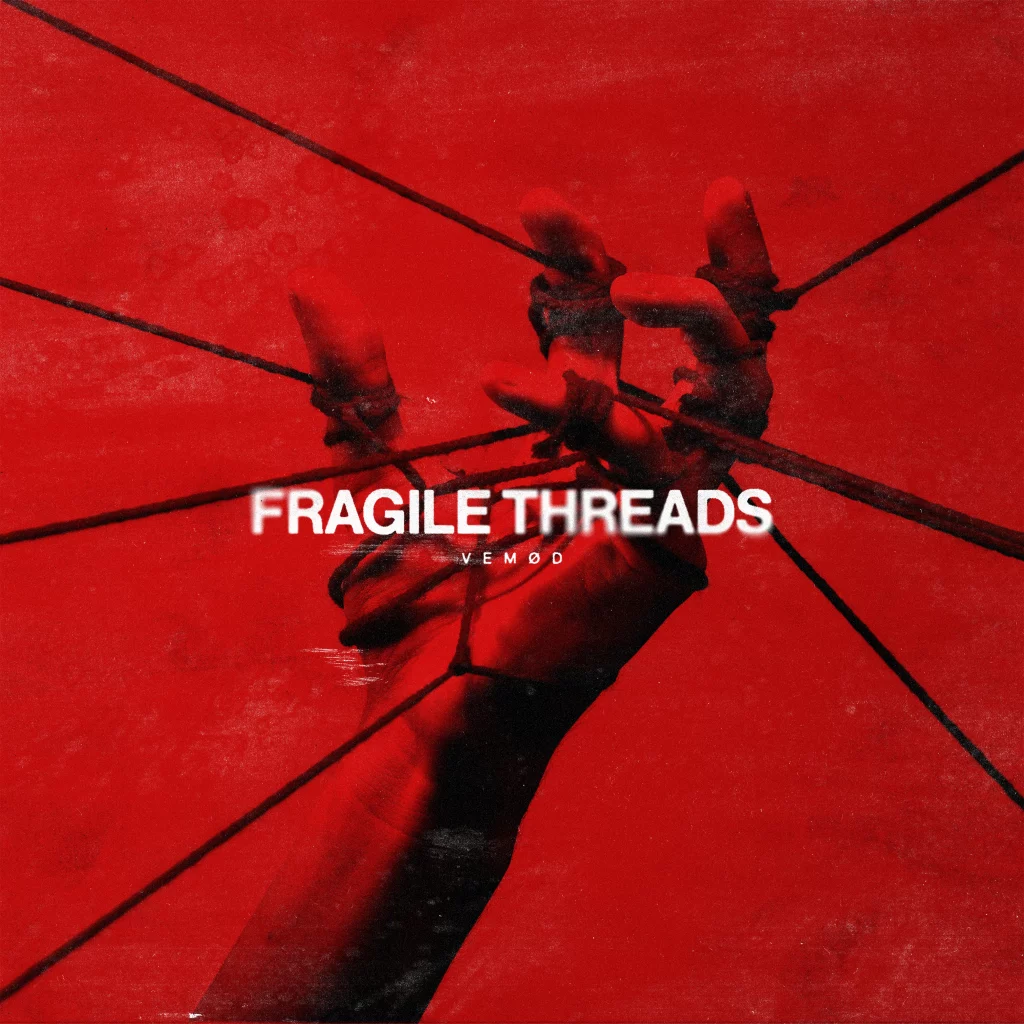
Fragile Threads — full music video
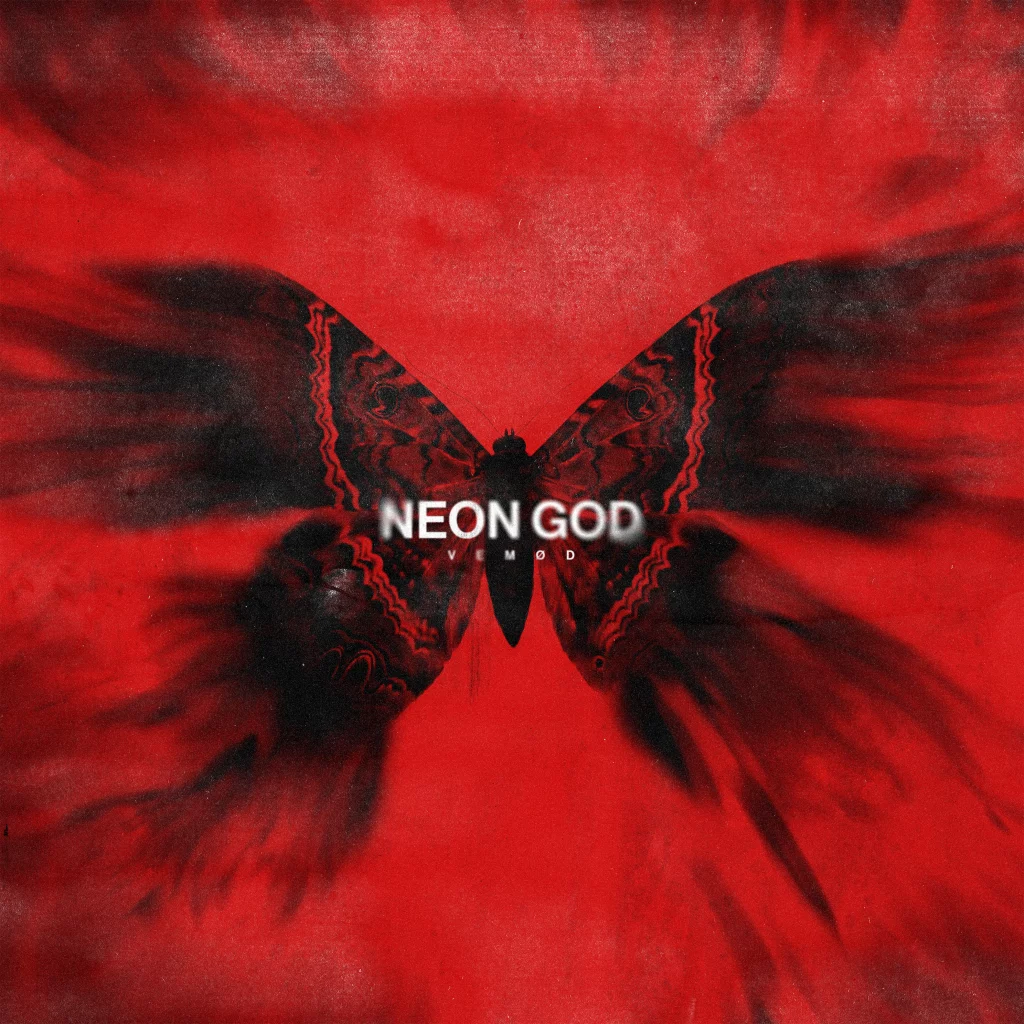
Neon God — live music edit (made by Aurora)
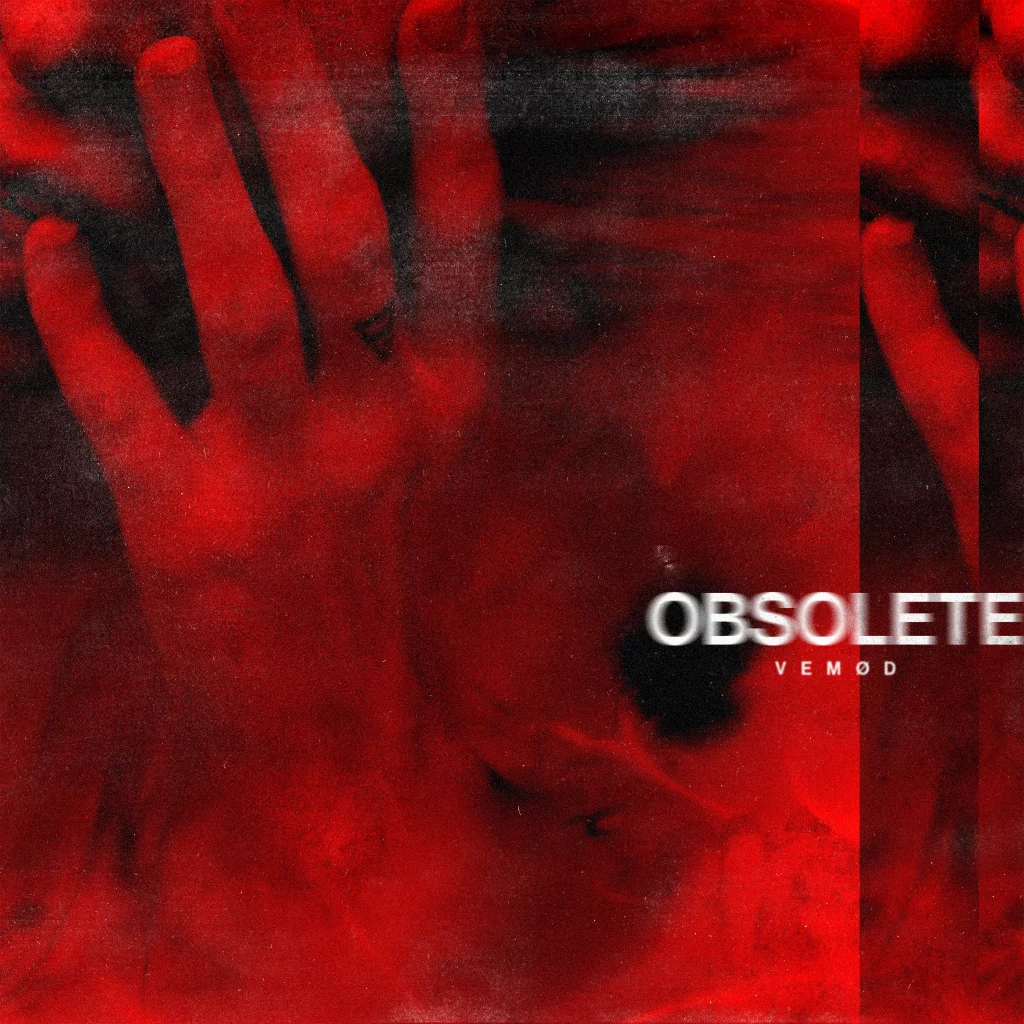
Obsolete — human visualizer
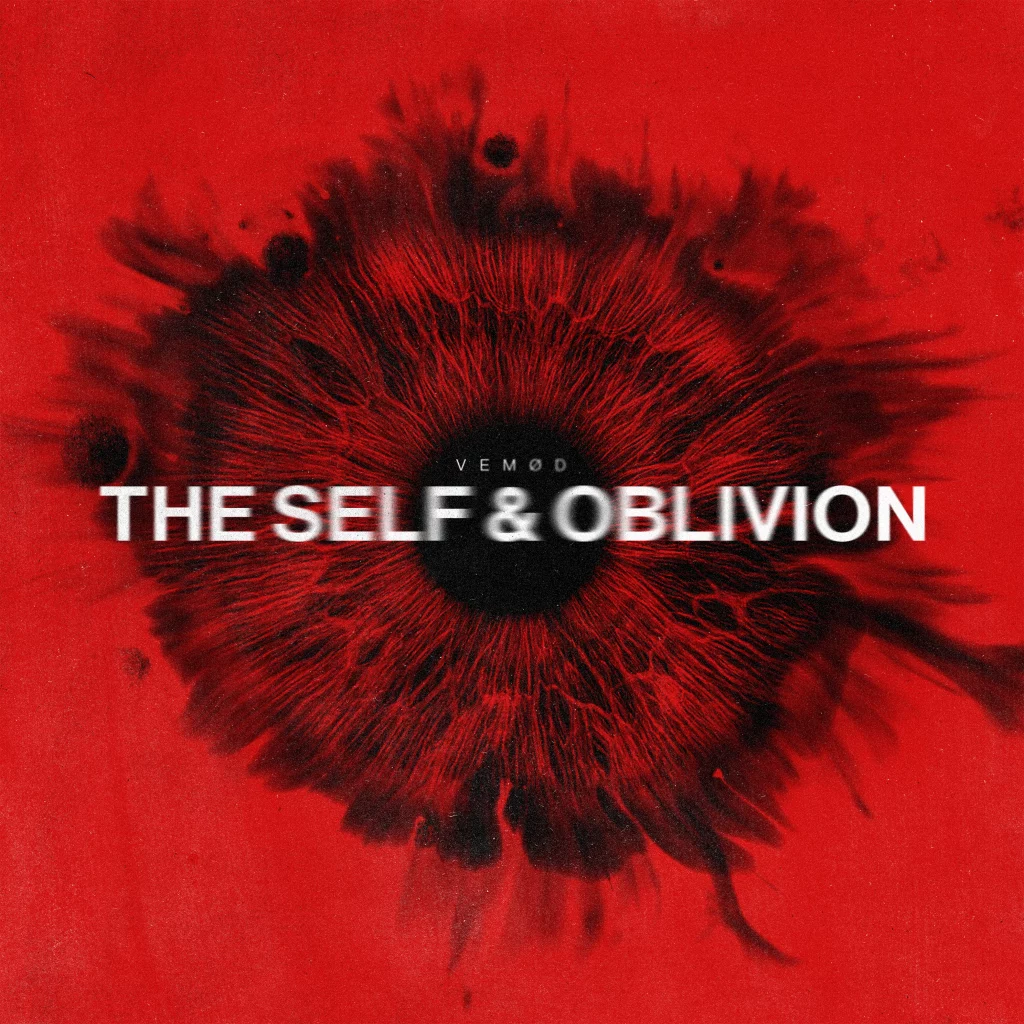
The Self & Oblivion — human visualizer
Sublime — human visualizer
Treading Water — full music video
This should feel like one coherent visual era.
What we want
A visual language that feels:
– modern
– intense
– controlled
– physical
– ritualized
– emotionally severe
– stylized
– red-lit
– seductive but threatening
– cinematic without becoming overblown
– polished in concept, distressed in finish
The world should feel deliberate and designed.
Core visual identity
The strongest foundation is already in the artwork and style guide: a visual world dominated by blood red, black, and white, with texture used as a supporting layer. Typography is clean and modern, the compositions are bold and direct, and the imagery relies on strong central motifs.
It is a high-impact, graphic, red-black visual system where light, body, symbol, and gesture do most of the work.
This world should be built through:
– blood red as the dominant force
– black as void, pressure, shadow, and interruption
– white used sparingly for contrast and clarity
– bold, iconic compositions
– strong central subjects
– close framing
– negative space
– selective blur and motion smear
– analog-feeling texture layered onto a modern image
– distressed surfaces, grain, dust, noise, ink-like damage
The image should feel clean in structure, damaged in surface.
Overall tone
– inner pressure
– submission
– devotion
– false transcendence
– collapse
– endurance
– self-confrontation
– repetition
– obsession
– psychic erosion
– controlled unraveling
There is beauty in this world, but it is never safe.
There is glamour, but it is corrupted.
There is power, but it comes with threat, cost, and instability.
Image language
The image language should be stripped down and highly intentional.
We are interested in:
– one strong image
– one central action
– one emotional state held long enough to become powerful
– bodies treated as sculptural, symbolic, and psychological
– images & movements that feel iconic
This should feel designed, concentrated, and memorable.
Color and finish
Red should be the dominant visual driver across the campaign, supported by black, with white used with restraint. That hierarchy is already part of the established album direction and should continue into video.
We are especially drawn to:
– red-lit rooms
– red light as emotional architecture
– pulsing warning-light energy
– siren-like red flashes
– deep shadows
– black swallowing parts of the frame
– selective highlights emerging from darkness
The overall finish can incorporate:
– grain
– dust
– subtle grunge
– blur
– motion smear
– texture overlays
– slight image degradation
But texture should support the image.
Camera approach
The visual language should stay close, precise, and controlled.
The style guide already points clearly toward close compositions, longer focal lengths, and avoiding wide-angle distortion unless absolutely necessary. It also encourages intentional use of motion blur and long exposure when they support mood and movement.
Preferred approach:
– close-ups
– medium-close shots
– centered framing or confident partial cropping
– static frames
– slow, deliberate movement
– visual depth where useful
– controlled perspective
– lenses 50mm and above whenever possible
Avoid:
– wide-angle distortion
– frantic handheld coverage
– meaningless motion
– generic music-video coverage
– shooting for options rather than for images
Lighting
Lighting should be one of the main storytelling tools.
The guide already favors a large soft key light placed to create shadow and sculptural form, with optional fill and back light for separation.
Within that, we are especially interested in:
– directional red light
– soft light with deep shadow falloff
– red strobe or warning-pulse effects
– light that feels artificial, devotional, or threatening
– faces and bodies partially disappearing into black
– moments where the room feels activated by light
The light should feel like pressure, worship, danger, control.
Performance
Performance should not function as default playback footage.
We are interested in performance as:
– invocation
– gesture
– tension
– pacing
– stillness under pressure
– repeated movement
– controlled physicality
– image construction
Especially in the human visualizers, the performer should feel like the center of a designed image system, not like someone casually filling time in front of a camera.
Avoid:
– generic lip-sync coverage
– obvious acting
– theatrical over-explaining
– filler movement
– overcomplicated narrative business
– standard “band in dark room” setups
Human visualizers
The human visualizers are a deliberate creative format.
They should feel focused, artful, and intentional.
Each one should be built around:
– one performer
– one environment or one defined visual setup
– one central physical action, gesture system, or movement logic
– one emotional state
– one lighting concept
They should feel alive and cinematic, but minimal.
The key reference here is the kind of piece where a person’s pacing, repetition, posture, and gestures create the tension.
Full music videos
The two full music videos should carry the greatest visual scale and emotional weight within the campaign.
These are the spaces where the visual world can open up further, whether through larger environments, more developed symbolic concepts, or stronger escalation.
They should still belong fully to the same visual system, but they can go further in terms of scope and impact.
Live music edit (Aurora)
The live edit for Neon God should still feel part of the same release world.
Even if it uses live material, the final piece should feel stylized, red-dominant, severe, and editorially controlled. It should not slip into documentary concert language. It should still feel like part of the album’s visual regime.
Emotional and thematic core
Across the record, the recurring themes point toward:
– the self under pressure
– internal darkness
– submission to constructed systems
– technological and psychological erosion
– identity as conflict
– performance as role or trap
– endurance without relief
– beauty entangled with threat
This world should feel internal, psychological, and symbolic.
Recurring motifs
Possible recurring motifs across the campaign include:
– hands
– skin
– throats
– rope
– thread
– tension
– abrasion
– pressure
– breath
– eyes
– mouths
– water
– drowning
– artificial light
– repetition
– crowns
– masks
– posture
– worship
– submission
– the body as site of conflict
These motifs do not need to be repeated literally.
They can reappear through form, framing, movement, or lighting logic.
Structural principle: contrast
VEMØD’s sound carries strong contrast:
heavy and melodic, brutal and beautiful, electronic and human, intimate and massive.
The visuals should mirror that through:
– red and black
– softness and abrasion
– stillness and escalation
– beauty and threat
– devotion and corruption
– control and collapse
– flesh and system
– elegance and violence
– clarity and blur
– self and oblivion
Summary
– One unified visual identity across the entire release cycle
– Red, black, and white as the dominant visual system
– Modern, graphic, controlled imagery with distressed surface treatment
– Close framing, longer focal lengths, and deliberate movement over generic coverage
– Lighting as emotional architecture, especially red-lit and shadow-heavy setups
– Human visualizers as minimal but highly designed single-subject pieces
– Full videos as the larger cinematic anchors of the campaign
– Performance treated as image-making, not default playback
What we like:
– Human Visualizer
– focus on one action / one shot
What we like:
What we like:
What we like: